
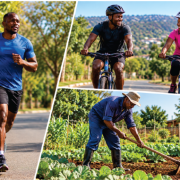
What we eat and how active we are is closely connected. Food provides the energy and nutrients the body needs for growth, daily activities and physical movement, while physical activity supports fitness and healthy body function. Making nutritious food choices and staying active are therefore important parts of a healthy lifestyle.
The body needs energy every day, whether a person is resting, working, walking or exercising. The amount of energy needed varies with factors such as age, growth, body size, and activity level. Eating nutritious food provides the energy and nutrients needed for daily activities, while regular movement helps the body use energy and maintain physical fitness.
This relationship does not mean that physical activity can make up for poor eating habits. Eating nutritious food does not remove the need for regular movement. Good nutrition and physical activity each play an important role in maintaining health.
The quality of what we eat also matters. The body needs a range of nutrients to support growth, tissue maintenance and repair and normal body functions. A nutritious diet provides the foundation for an active lifestyle by giving the body what it needs to function effectively.
Physical Activity For Everyone
Physical activity does not have to mean going to a gym or taking part in organised sport. Walking, active play, cycling, dancing, gardening, household activities, agricultural work and sport can all provide opportunities for movement. The type and amount of activity should be appropriate to a person’s age, ability and circumstances.
For children and adolescents, nutrition and physical activity are particularly important because both contribute to healthy growth and development. The World Health Organisation recommends an average of at least 60 minutes of moderate- to vigorous-intensity physical activity each day for children and adolescents aged 5–17 years. For adults, the recommendation is 150–300 minutes of moderate-intensity physical activity or 75–150 minutes of vigorous-intensity physical activity per week, or an equivalent combination.
Hydration
Hydration is also important, particularly during physical activity and hot weather. Water supports normal body functions and helps replace fluids lost through sweating. Making safe drinking water available throughout the day can help people maintain good hydration.
What You Can Do
For Zimbabwean families, staying active does not necessarily require major changes to daily routines. Walking where appropriate, encouraging children to play, gardening, dancing, participating in sport and remaining active through household or agricultural activities can all contribute to regular movement. Combined with nutritious meals and healthy drinking habits, these everyday activities can support healthier lifestyles.
The aim is not to treat nutrition and physical activity as separate issues. What we eat supports the body’s ability to move, while regular movement contributes to physical health. Building both into everyday life can help establish healthy habits that can be maintained over time.
For individuals and families, the message is simple: eat well and keep moving. Small, consistent changes can help make healthy living part of everyday life.


